




3 Ways Viruses Cause High Blood Pressure
Most importantly:
● How does the cardiovascular system react after developing a viral infection?
● Do all viral infections cause high blood pressure, or is it more common in some?
● How to prevent high blood pressure after a cold?
During flu season, almost everyone is affected by a viral infection. Improper home treatment, late medical assistance or failure to follow healthy habits during such a period can affect not only the overall condition of the body, but mostly have an adverse effect on the cardiovascular system. As a result, illness often leads to increased blood pressure values, which are also a prerequisite for complications related to heart function.
By learning how a viral infection interferes with normal processes in the body, we will understand how important it is to fully heal to prevent potential long-term cardiovascular complications.
Mechanisms of blood pressure increase due to viral infection
Viral infections can lead to a temporary increase in blood pressure by various mechanisms, the three most common of which are:
Inflammation
Briefly explained, viral infections activate the body's immune response, leading to inflammation. The inflammation that occurs can affect the walls of the blood vessels, causing them to shrink (so-called vasoconstriction occurs) or become less flexible (reduces their elasticity), which can lead to increased blood pressure.
Step by step, this mechanism proceeds as follows:
1. The body becomes infected with a viral infection.
2. The immune system then reacts, with some cells releasing cytokines (signaling molecules that play a role in inflammation) in response. A specific cytokine called tumor necrosis factor-alpha (TNF-alpha) has a direct effect on blood vessels.
3. It stimulates the release of endothelin-1 (ET-1) - a peptide that constricts blood vessels (as we said, vasoconstriction occurs).
4. This vasoconstriction narrows the arteries, correspondingly increasing the resistance to blood flow.
5. As a result, your heart has to pump blood harder to get it through the narrowed vessels. Therefore, the pressure in the blood vessels increases.
Also, the resulting inflammation can affect the renin-angiotensin-aldosterone system (RAAS), which regulates blood pressure. Inflammatory reactions can stimulate the release of renin, an enzyme that in turn leads to the production of angiotensin II, a powerful vasoconstrictor. This further contributes to an increase in blood pressure.
These effects of inflammation are vital for individuals recovering from viral infections.
A fever
Often, viral infections cause a fever, which can lead to a faster heart rate and higher blood pressure as the body works harder to fight the infection.
 How does one go from having a fever to high blood pressure?
When a viral infection develops in your body, immune cells release, in addition to the aforementioned tumor necrosis factor-alpha, other pyrogenic cytokines such as interleukin-1 (IL-1) and interleukin-6 (IL-6). They are pyrogenic because they lead to an increase in body temperature and cause fever. They act on the hypothalamus in your brain, specifically the thermoregulatory center.
As a result, a hypothalamus reaction develops - it is responsible for regulating body temperature. When it senses the presence of pyrogenic cytokines, it responds by changing the body temperature to higher. That is, to put it briefly, the core body temperature rises, resulting in a fever. As a result, the rate of metabolism increases, which makes the cells work harder. This higher metabolic rate requires more oxygen and energy. To meet this demand, the heart pumps blood faster and with more force, and so blood pressure rises.
Dehydration
Viral illnesses often cause symptoms such as fever, sweating, and decreased fluid intake due to loss of appetite. As a result of the reduced water content, the body is dehydrated.
Dehydration causes a decrease in the total volume of blood in a circulatory system. When there is less blood, your heart has to work harder to maintain normal blood pressure and deliver oxygen and nutrients to your tissues.
Dehydration also stimulates the sympathetic nervous system, which increases the release of adrenaline from the adrenal glands. Adrenaline increases heart rate and pumping power, which further contributes to higher blood pressure.
 Decreased renal perfusion (blood flow to the kidneys) is a major consequence of fluid loss and inadequate intake. When there is a lack of fluids, the kidneys store water and sodium, which leads to an increase in blood pressure. This is a defense mechanism that ensures the body retains essential fluids during dehydration.
Which viruses most commonly cause blood pressure problems?
According to recent studies, most untreated or incorrectly treated viral infections are characterized by cardiovascular complications - an increase in blood pressure. The most common viruses leading to hypertension are:
Hepatitis C virus (HCV) can affect blood pressure through chronic inflammation and oxidative stress. Persistent HCV infection can lead to the release of proinflammatory cytokines and activation of the renin-angiotensin-aldosterone system (RAAS), causing vasoconstriction and an increase in blood pressure. Additionally, HCV-related liver damage may contribute to hypertension by impairing the liver's ability to regulate blood pressure through the production of proteins such as albumin and angiotensinogen.
SARS-CoV-2, the virus responsible for COVID-19, can affect blood pressure through multiple mechanisms. The virus can directly invade endothelial cells, causing inflammation and endothelial dysfunction, which in turn leads to vasoconstriction and increased blood pressure. In addition, the systemic inflammatory response induced by severe COVID-19 can disrupt the renin-angiotensin-aldosterone system (RAAS), potentially leading to elevated blood pressure values as seen in some patients with the disease.
In addition to the above, viral infections such as CMV (cytomegalovirus) and EBV (Epstein-Barr virus) are also associated with this type of complications.
Preventive measures or how to avoid cardiovascular complications after a illness?
To reduce the risk of cardiovascular complications after a viral infection, consider the following tips:
Monitor your blood pressure readings at home
This is the easiest way to assess the state of our cardiovascular system ourselves.
Not only during the viral infection, but also in the period after, it is recommended to measure your blood pressure at least 2-3 times a day. It is most optimal in the morning before breakfast and in the evening also before meals.
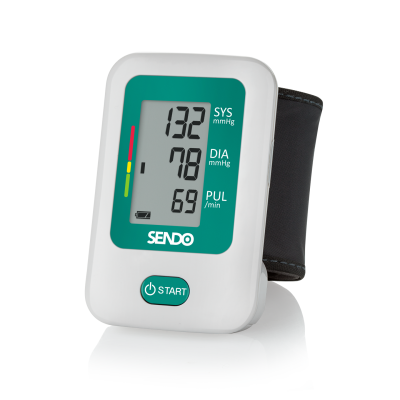
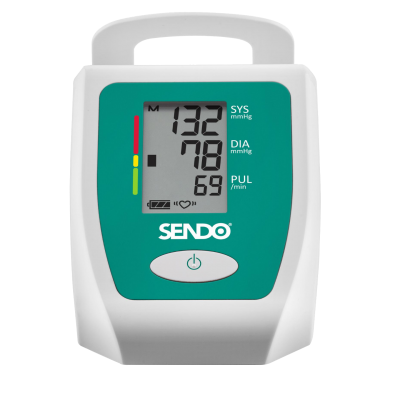
Therefore, you must have a reliable device that guarantees you the clinical value of the results at home. You can trust the SENDO digital blood pressures monitors.

It is recommended to choose the same time every day and monitor your blood values regularly. Thus, if there is a discrepancy with the normal limits, you can consult a specialist and say exactly how much above the norm your deviation is, and the most appropriate treatment will be prescribed accordingly.
Hydrate yourself
Maintain adequate fluid (water) intake to prevent dehydration, which can stress the cardiovascular system.
Drink enough water - the goal is to consume about 8 glasses of water a day, but your needs may vary depending on factors such as age, workload, stage of viral infection. If you have a high fever symptom, you need to drink more.
Control the symptoms of dehydration: if you feel dry in your mouth, throat or lips and are often thirsty, these are signs of dehydration. In that case, drink more water. Also consume hydrating foods - fruits and vegetables, such as watermelons, cucumbers and tomatoes, contain a high percentage of water and can help you hydrate.
Follow a heart-healthy diet and maintain a healthy body weight
Eat a diet rich in fruits, vegetables, whole grains, foods low in saturated fat, table salt, and added sugars. This supports the overall health of the body as well as the cardiovascular system.
Regular physical activity
Practice regular exercise or activities such as walking, climbing stairs (instead of taking the elevator), etc. Physical activity helps control blood pressure, cholesterol levels and control the inflammatory process.

Manage stress
A recent illness combined with frequent exposure to stressful situations are two essential factors that do not favorably affect your cardiovascular system. For this purpose, we offer you stress reduction practices such as: relaxing meditation, deep breathing exercises or yoga.
Limit the abuse of alcohol, tobacco and caffeine
Give up your harmful habits and their excessive consumption. Alcohol disturbs the balance of sodium and potassium in the body. Smoking leads to narrowing of blood vessels and impaired blood circulation. Frequent consumption of caffeinated beverages (coffee, black tea and energy drinks) stimulate the release of adrenaline. All of them lead to an unfavorable condition for the body, namely - increased blood pressure.
In conclusion
After each illness, changes and possible complications occur in the body in response, if adequate measures are not taken during and after the infection. In order to insure ourselves, we must introduce new habits into our daily lives such as blood pressure measurement, proper nutrition and physical activity. Taking care of our body will pay off as our body functions to its full potential!
FAQ:
What are the factors that can increase the risk of high blood pressure in viral infections?
Long period of dehydration, refusal of fluid intake, smoking during illness, improper home infection control. To reduce the risk of high blood pressure with viral infections, it is recommended to consult a medical professional and follow the advice listed above.
What are the consequences of uncontrolled high blood pressure in an infection?
The consequences are generally damaging to the cardiovascular system, more serious of which are: damaged arterial blood vessels, poor blood supply to the heart (risk of arrhythmias, heart attack), development of heart failure, stroke, kidney failure.
Used sources
https://www.healthline.com/health/hepatitis-c/long-term-effects-untreated-hep-c#blood-pressure-issues
https://www.ncbi.nlm.nih.gov/pmc/articles/PMC9260192/
https://www.mayoclinic.org/diseases-conditions/high-blood-pressure/in-depth/high-blood-pressure/art-20046974
https://www.bhf.org.uk/informationsupport/risk-factors/high-blood-pressure/symptoms-and-treatment
