




What causes heart arrhythmia and how to manage it
Most importantly:
- Which cardiovascular diseases are a prerequisite for the occurrence of arrhythmia?
- What are the types of arrhythmias and what are their symptoms?
- What are the treatment methods for heart rhythm disorders?
Arrhythmias are heart rhythm abnormalities that can range from relatively harmless to life-threatening conditions. They can affect anyone, even healthy people who don't have any heart problems. For this reason, it is good to have a blood pressure device at home to read and analyze arrhythmia so that we can take measures in time.
Understanding the manifestation and symptoms of different types of arrhythmias will also help us distinguish them and seek timely medical help to undertake the most appropriate treatment. Being aware of the risk of their occurrence and their complications will also help us to change and build better habits for a healthy lifestyle, which will have a positive effect not only on our cardiovascular health, but also on the overall well-being of the body.
What are the causes of heart arrhythmia?
Heart diseases
The heart relies on a precisely coordinated electrical conduction system that generates and propagates electrical signals, ensuring proper contraction and relaxation of the chambers. Heart disease can cause arrhythmia due to its effects on the structure and function of the heart. An example of this type of disease is coronary heart disease, heart failure, myocardial infarction (heart attack) or hypertrophic cardiomyopathy, which can damage this conduction system. How exactly do the mentioned disorders appear before the arrhythmia occurs?
Coronary heart disease is related to the narrowing or blockage of the arteries that supply blood to the heart due to atherosclerotic plaque. That is, this disease in a more advanced stage causes ischemia (lack of sufficient oxygen) in specific parts of the heart. which precisely leads to the conduction of unusual electrical signals and, accordingly, arrhythmias.
Heart failure is an example of a condition where the heart is unable to pump blood efficiently to tissues and organs. This usually leads to fluid accumulation in the lungs (edema) and other parts of the body, as well as electrical instability in the heart, which increases the risk of heart rhythm disorders.
A heart attack is characterized by reduced blood flow to the heart muscle, resulting in areas of damaged or dead tissue. The damage is manifested by abnormal electrical changes such as slowed conduction or uncontrolled electrical activity, which are a prerequisite for the occurrence of arrhythmias.
Hypertrophic cardiomyopathy, on the other hand, is a condition characterized by abnormal thickening of the heart muscle. This pathological change can disrupt the electrical conduction system of the heart and lead to arrhythmias, including ventricular tachycardia (which we will explain further down in the text) and sudden cardiac arrest.
Electrolyte imbalance
Electrolyte imbalance refers to abnormal levels of electrolytes such as potassium, sodium, calcium and magnesium in the body. These indicators play a key role in regulating the electrical activity of cells. When electrolyte levels are disturbed (highly elevated or low), this has a profound effect on the electrical activity of the heart, potentially leading to heart rhythm disturbances by affecting the generation and propagation of action potentials in heart cells.
This disorder can lead to different types of arrhythmias, ranging from mild palpitations to life-threatening conditions such as ventricular fibrillation. Monitoring and correcting electrolyte imbalances are essential to prevent and treat arrhythmias in patients with cardiac disorders.
High stress levels

Stress can provoke arrhythmias in different ways. It mainly affects the sympathetic part of the autonomic nervous system, as a result of which the hormone adrenaline is released. Its high levels increase heart rate and contractility, causing heart rhythm disturbances.
Abuse of alcohol, nicotine or caffeine
Excessive consumption of alcohol, nicotine or caffeine leads to disturbances in the normal functioning of the electrical system of the heart through various mechanisms, including direct effects on heart muscle cells, changes in the activity of the autonomic nervous system, electrolyte imbalance and blood pressure values.
These disturbances have the potential for the development of arrhythmias, which can range from palpitations to more serious rhythm disturbances such as atrial fibrillation or ventricular tachycardia. It is essential that people are aware of the cardiovascular effects of these substances and consume them in moderation or completely avoid their intake in order to prevent the complications mentioned.
Genetic predisposition
People with a family history of heart rhythm disorders are at higher risk of developing such conditions. Heredity significantly contributes to cardiac arrhythmias through genetic mutations affecting ion channels and structural units of the heart. Accordingly, normal electrical activity and structural integrity are impaired. Genetic counseling and family screening can help identify those at risk and implement preventive measures to reduce the severity of these conditions.
What are the types of arrhythmias?
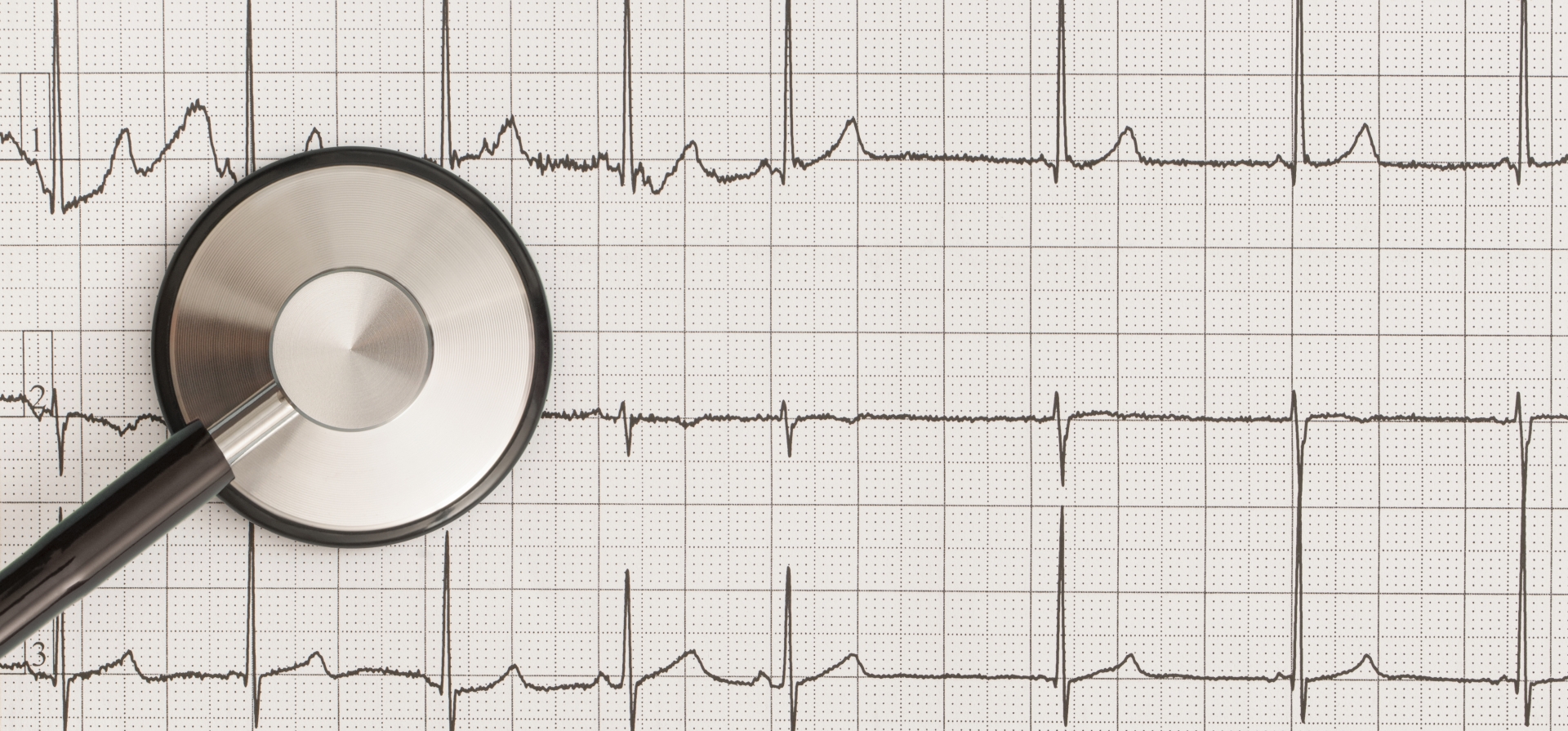
There are several types of arrhythmias, each characterized by different patterns of electrical activity and potential clinical implications.
- Atrial fibrillation. The most common type of arrhythmia, characterized by fast (over 100 beats per minute) and irregular electrical impulses in the atria. It manifests itself with symptoms such as palpitations, shortness of breath, fatigue and chest discomfort. It increases the risk of stroke, heart failure and other cardiovascular complications if left untreated.
- Atrial flutter. Unlike fibrillation, here the contractility of the atria, in addition to being accelerated, is more organized and rhythmic.
- Ventricular tachycardia. It is characterized by rapid and regular electrical activity originating in the heart chambers. It can occur in individuals with structural heart disease or scars from previous heart damage. Characteristic symptoms are palpitations, dizziness, chest pain and, in more severe cases, loss of consciousness.
- Ventricular fibrillation. Chaotic and disorganized rhythm originating from the cameras. It is an emergency condition of ineffective blood pumping that leads to sudden cardiac arrest. Requires immediate defibrillation treatment to restore normal heart rhythm.
- Bradycardia. It refers to a slow heart rate, usually under 60 beats per minute. It may result from abnormalities of the heart's conduction system or be caused by the effects of certain medications or electrolyte imbalances. Typical symptoms are fatigue, dizziness, shortness of breath and fainting.
What are the methods of treating arrhythmia?
The treatment of arrhythmia depends first of all on its type, its severity, the underlying causes and the individual factors of the patient.
Antiarrhythmic drugs
These drugs help control the heart's electrical activity and restore a normal rhythm. They can be used to prevent episodes of arrhythmia or to restore normal rhythm during such an episode.
Cardioversion
Restoring the normal rhythm of the heart with the help of an electric shock. Cardioversion delivers a synchronized electrical shock to the heart through electrodes placed on the chest. It is commonly used to treat atrial fibrillation and flutter.
Implantable devices
A pacemaker is a small device implanted under the skin, usually in the chest area, to regulate the heartbeat. It sends electrical impulses to the heart muscle to maintain a proper rhythm, especially in cases of bradycardia or heart block.
Surgical interventions
In some cases, surgery may be needed to treat certain arrhythmias or underlying structural heart disease (eg, congenital heart defects that predispose to arrhythmias).
Regular monitoring of blood pressure
Daily blood pressure monitoring in patients with cardiac arrhythmia is extremely important for several interrelated reasons. Blood pressure is a key indicator of the health of the cardiovascular system, and its fluctuations can have a direct impact on the treatment and possible complications of arrhythmia. In the following paragraphs, you will learn the importance of systematic monitoring of your blood.
Lifestyle changes
Quitting smoking, reducing alcohol and caffeine intake, maintaining a healthy diet, practicing regular exercise, and stress management techniques can help prevent and control some types of arrhythmias. Controlling underlying medical conditions such as hypertension, diabetes, and hyperlipidemia (elevated blood cholesterol levels) is also critical to preventing arrhythmias.
The choice of treatment method should be individualized based on a thorough assessment of the patient's overall condition by a medical professional. Regular follow-up and monitoring are essential to assess the effectiveness of treatment and adjust therapy if necessary.
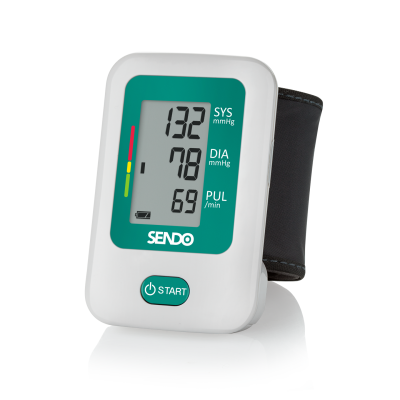
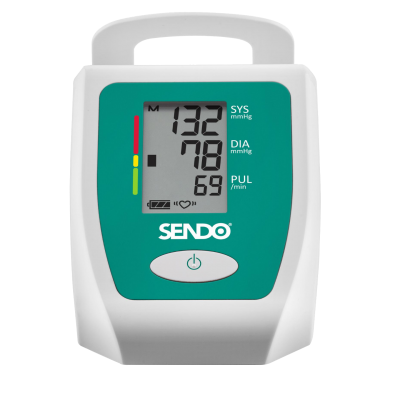
In addition to the methods of treatment for heart rhythm disorders mentioned, we also offer you one more tip: daily blood pressure measurement. Tracking its values is essential not only during the healing process, but also has a preventive focus. For this purpose, you need to trust a reliable device that guarantees you clinical accuracy of measurements at home. The Sendo Advance 3 is just such a blood machine, which is completely digital and completely makes it easy for you, as the measurement is reduced to placing the cuff on the bicep of the arm and pressing a button.

With the patented HIRA technology, Sendo Advance 3 reports and analyzes heart rhythm disturbances, better known as arrhythmia.
In conclusion
Arrhythmia of the heart is a pathological condition caused by various factors which include heart disease, electrolyte imbalance, high levels of stress, unhealthy habits as well as family burdens. Arrhythmias are conditions, each with its own specific characteristics and potential clinical consequences. Knowing and differentiating the different types of arrhythmias is essential to making a correct diagnosis and applying appropriate treatment.
The recovery period is a complex process, and the choice of the optimal way of treatment must be personalized based on a detailed assessment of the patient's condition by a medical specialist. Regular monitoring and follow-up are essential to monitor treatment effectiveness and adjust therapy as needed. Daily blood pressure measurement is important both for heart rate monitoring and for preventive purposes.
------------------------------------------------------------------------------------------------------------------------
FAQ:
- How can I tell if I have an electrolyte imbalance?
First of all, you may suspect that you have an electrolyte imbalance by starting to feel symptoms such as fatigue, weakness, dizziness, muscle spasms, palpitations. You can also always check your electrolyte levels by having a lab test - an ionogram.
- What are the benefits of taking your blood pressure daily?
Monitoring your blood pressure is a key indicator of your cardiovascular health. Tracking it and reporting significant changes in values may signal a serious breach.
Used sources
