




Low blood pressure: causes and symptoms
Most importantly:
- What causes low blood pressure?
- What are the most common symptoms of low blood pressure?
- Ways to deal with low blood pressure
- When should we seek medical attention?
Blood pressure is one of the most important indicators of our health. Because of this, any drastic change can have a negative effect. Unlike hypertension (high blood pressure), which is a known risk factor for our health, hypotension - low blood pressure - is often overlooked. However, hypotension can also lead to serious complications, especially if it is severe or occurs suddenly.
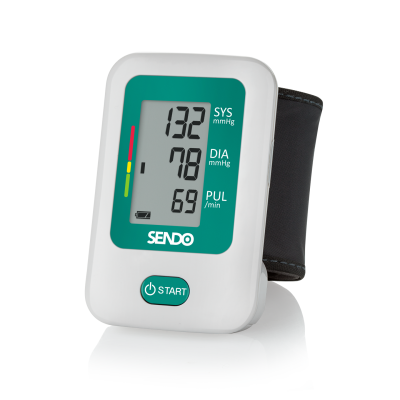
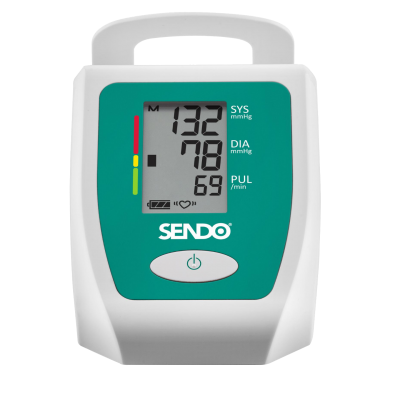
This is why we will teach you how to easily detect low blood pressure, what are its symptoms and causes and when to seek specialized medical help. Regular monitoring of your blood pressure with a trusted device such as SENDO will be essential in this process, whether you have low blood pressure or just want to take care of your health.
Causes of low blood pressure
Hypotension is a condition of persistently low blood pressure. To define blood pressure as low, it must be below 90 mmHg systolic and below 60 mmHg diastolic.

The possible causes of this condition are varied. Some of them include:
- Dehydration - When the body does not have enough water, blood volume decreases, leading to low blood pressure. This can happen with vomiting, fever, diarrhea. Dehydration is especially dangerous during the summer months when high temperatures increase the risk of fluid loss.
- Cardiovascular problems - Disorders such as bradycardia (low heart rate), myocardial infarction, and valvular defects can reduce the heart's ability to pump blood efficiently.
- Anemia is a condition in which a lack of iron leads to reduced production of red blood cells. This often results in low blood pressure.
- Bad nutritional habits are related to the lack of vitamins and minerals. Vitamin B-12 and folic acid are of primary importance, as they are extremely important in producing red blood cells.
- Stress - Constant stress can exhaust the body and lead to dysfunction of the systems that regulate blood pressure.
- Genetic predisposition - It plays an important role in the development of hypotension. Hereditary factors can affect heart function, blood vessels and hormone regulation, increasing the risk of this condition.
What are the symptoms of low blood pressure?

Symptoms of low blood pressure vary from person to person. These depend on what caused the hypotension and how quickly it developed. Some of the main symptoms are dizziness, lightheadedness, fatigue, weakness, nausea, concentration problems, fainting and chest pains combined with shallow breathing.
Normally, our body uses compensatory mechanisms to protect us from the sudden drop in blood pressure. Symptoms of low blood pressure appear when our body can no longer compensate for the drop in blood pressure. For many people, hypotension does not cause any symptoms, and a large number of these people realize that they have low blood pressure only after it is measured. This is why it’s very important to be familiar with the symptoms of hypotension. Identifying them quickly can prevent complications such as going into shock and heart failure.
How to deal with low blood pressure?
Having knowledge and control over our blood pressure allows us to take care of our health. Maintaining optimal blood pressure not only reduces the risk of cardiovascular problems, but also improves our general condition. It’s important to start practicing healthy habits such as having a balanced diet with sufficient salt intake, limiting large portions of food and excluding alcohol as much as possible.
Nowadays, stress also plays a key role in our blood pressure. Regular physical activity can help with this, regardless of whether we are in the gym or simply on a walk in the park or mountains. Keep in mind to stay hydrated during these activities.
Regular self-monitoring of your blood pressure also plays a key role in early detection and management of potential problems. SENDO blood pressure monitors can help us by giving accurate and easily accessible results. By taking these steps, we can effectively protect our heart and circulatory system, ensuring a healthy, active, and full life.
When should we seek medical help?
Medical assistance should never be underestimated. Very often, the cause of hypotension is unclear and further investigation is needed. If you suspect you have low blood pressure, getting it diagnosed and treated is of the utmost importance. Fortunately, this condition is very often treatable. It’s important to prioritize regular medical consultations and to seek professional advice if you have concerns about your symptoms or their possible implications.
In conclusion:
It’s important to remember that regardless of what caused your hypotension, you can take care of yourself. With balanced nutrition, a healthy lifestyle, and manageable stress, more movement and good hydration, you will keep your blood pressure within ideal limits. It is recommended that you regularly monitor your blood pressure, even if you don’t have low blood pressure or believe you are within the ideal limits.
_________________________________________________________
FAQ:
Is low blood pressure dangerous?
- Although mild hypotension may not pose a significant risk to some people, severe or prolonged hypotension can lead to delayed blood flow to important organs. This can potentially lead to shock, which needs to be immediately treated.
Can medications cause hypotension?
- Certain medications such as beta-blockers, diuretics, and antidepressants can cause hypotension as a side effect. Therefore, always consult your doctor before use.
When and how many times a day can we measure our blood pressure?
- We can measure our blood 2-3 times a day. It’s recommended that the first measurement is carried out at the beginning of the day before breakfast, and the second check is carried out in the evening. It’s recommended to repeat the measurement several times to be sure of the results. Using a SENDO BPM, the chances and worries of an inaccurate result is reduced.
Used sources
Sources:
https://my.clevelandclinic.org/health/diseases/21156-low-blood-pressure-hypotension
https://www.mayoclinic.org/diseases-conditions/low-blood-pressure/symptoms-causes/syc-20355465
https://www.heart.org/en/health-topics/high-blood-pressure/the-facts-about-high-blood-pressure/low-blood-pressure-when-blood-pressure-is-too- low
