




How to reduce the risk of hypertension?
Most importantly:
- Hypertension - key points: importance, reference limits, complications.
- Tips for better blood pressure.
- Medical examinations and personal responsibility in hypertension.
Hypertension, known as "high blood pressure", is one of the most common health problems in the world, affecting millions of people. But there is good news! There are several easy and effective ways to control your blood pressure and keep your heart healthy even in old age. Every May 17th, the world celebrates "Hypertension Day". The event aims to raise awareness of the condition and to reduce the risk of cardiovascular disease.
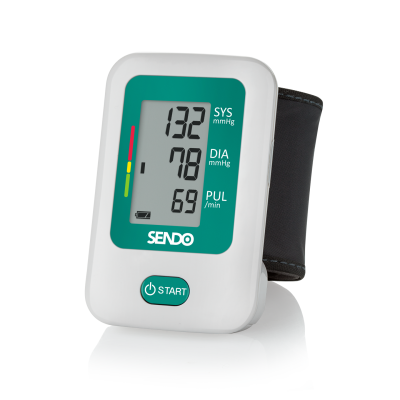
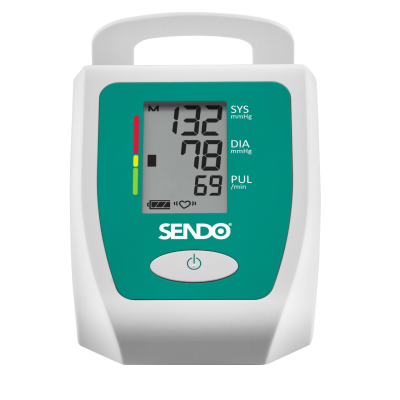
In this article we'll look at what you can do to reduce the risks that come with hypertension. Whether you've already been diagnosed with high blood pressure or just want to improve and maintain your health, this article will provide you with useful information and specific steps you can take in your battle against hypertension. The regular monitoring of your blood pressure is always a sure way to control it. BP monitors like SENDO enable easy monitoring from the comfort of your home. Remember that even small lifestyle changes can have a big impact on your health.
Let's learn more about hypertension
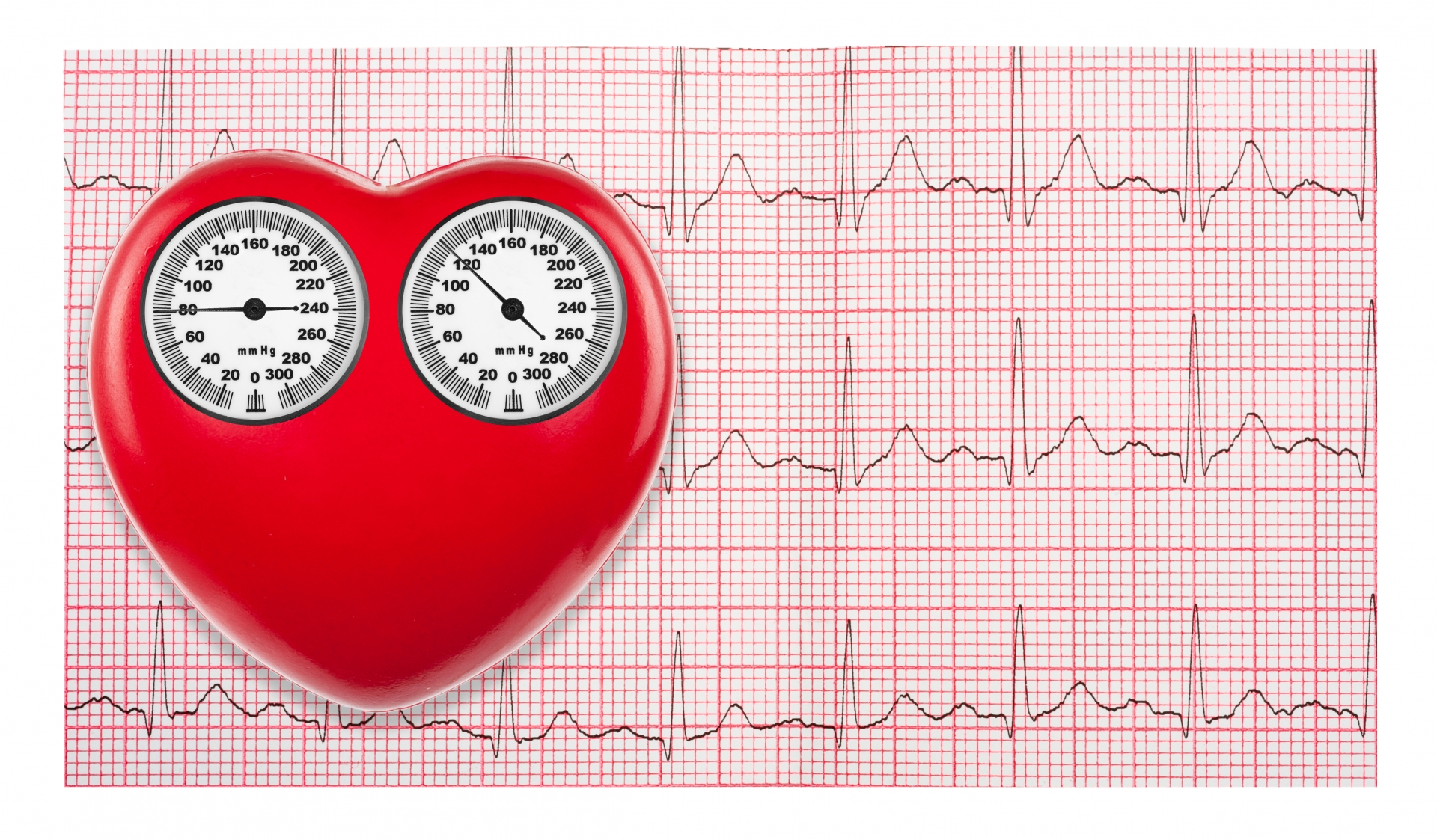
Hypertension, in short, is when blood pressure is higher than normal. This happens when the vessels of the circulatory system are narrowed or when the normal function of the heart is impaired. High blood pressure has been known to cause serious problems with the heart, blood vessels, kidneys and other parts of the body.
When you have high blood pressure, your body becomes stressed, which can lead to fatigue, headaches, dizziness, and other more severe symptoms. In turn, this can lead to myocardial infarction (heart attacks), stroke, kidney disease and other health problems, which we will discuss in more detail below. To reduce the risk of hypertension and related problems, it’s crucial to monitor your blood pressure regularly.
What is normal blood pressure for your age?
The reference values for blood pressure are determined according to many factors, but mainly they are determined according to the age of the patient. The upper limit is called systolic blood pressure and represents the highest-pressure value in the circulatory system during systole, i.e. when the heart contracts and pumps blood into the arteries. The lower limit is called diastolic blood pressure and is the lowest pressure value in the arteries during diastole, when the heart relaxes and fills with blood. The unit of measurement is the millimeter of mercury, abbreviated as “mmHg”.

For children 3 to 12 years of age, normal blood pressure is about 80-110 mmHg systolic and 60-70 mmHg diastolic blood pressure. For teenagers (13-18 years) the values increase to about 90-120 mmHg for upper limit and 60-80 mmHg for lower limit. Adults (19-59 years) should have normal values on average of 120/80 mmHg. In adults over 60, systolic blood pressure can reach 120-140 mmHg, and diastolic blood pressure should be below 90 mmHg.
Possible complications due to hypertension
Hypertension can lead to very serious and dangerous health consequences that are important to be aware of and informed about. The most common complications that can occur due to high blood pressure are related to the heart and circulatory system. The risk of heart problems such as myocardial infarction (heart attack) and stroke increases. This is because high pressure strains the heart and blood vessels, which over time permanently damages it and makes it not be able to work properly.
It is also possible that hypertension affects the kidneys, which leads to the development of severe kidney diseases. The kidneys play an important role in regulating blood pressure, so vice versa - problems with them can increase the risk of developing hypertension.
High blood pressure can also have a negative effect on the eyes. It can damage the vessels in the retina and eventually lead to severely reduced or even loss of vision. All these factors emphasize the need for regular blood monitoring and reacting accordingly on time.
Blood pressure control and prevention of cardiovascular disease
To ensure our optimal heart health and healthy blood vessels, we must have control over our blood pressure and prevent these cardiovascular complications. A healthy lifestyle is the starting line to achieve the end result. It includes a balanced diet, regular physical activity and the management of stressful situations in everyday life. Regular check-ups with a doctor where you check and take BP measurements are key to early detection of potential problems and prevention of serious cardiovascular diseases. Following medical advice and taking prescribed medications when needed is also important to maintaining good heart and vascular health.
Medical monitoring and personal responsibility for high blood pressure
Your doctor has a major role in managing your hypertension, offering important advice and determining the most appropriate treatment methods. Drug treatment is key in hypertension, especially if lifestyle changes are not enough to control blood pressure. Taking medication should be done under medical supervision, with the doctor determining the most appropriate type of medication and dosage.
However, we cannot solely rely on our doctors. We also have a responsibility to our health. A habit like checking your blood pressure daily is just as important as taking your medication as prescribed. To make sure we're doing things right, it's good to trust and use a reliable blood pressure monitor. SENDO appliances are easy to use, and the HIRA technology that detects and analyzes arrhythmia helps in effective monitoring and doctor-patient communication, as we present accurate data about our condition and guarantee an individual approach to treatment.
 Lifestyle changes to control blood pressure
To improve our blood pressure values, we can make various changes in our daily life. In this section we’ll talk about some key changes to make in your daily life, as well as practical tips that can help you implement them.
One of the first ideas is to diversify our diet with more fresh fruits and vegetables. They are full of vitamins and minerals that help maintain heart and blood vessel health. You can make this change fun by trying different healthy recipes for salads or fruit smoothies.
We can also find pleasure in incorporating more physical activity into our day. This does not mean that we must necessarily go to the gym every day. We can choose fun and exciting activities like dancing, swimming, cycling or even just walking in the park with friends or family. It's important to choose activities that you enjoy and can fit into your schedule. This will make it easier for you to be consistent in your daily life. Gradually, you can also switch to slightly more intensive sports or trainings.
Another way to improve our heart health is to learn how to deal with stress. We may be surprised how enjoyable relaxing activities such as meditation, yoga or even just reading/listening to a book can be. We cannot stress enough how important it is to find your own way to relax and calm down on more stressful days.
Last but not least, it’s important to pay attention to sleep and rest. Quality sleep has a direct impact on heart health and blood pressure. Establish a routine, such as going to bed and getting up at the same time every day, even on weekends. Try to avoid coffee and alcohol before bed as they can disrupt your sleep.
By incorporating these enjoyable and interesting changes into our daily lives, we can create a healthier lifestyle and control our blood pressure effortlessly.
In conclusion
By understanding the importance of the potential dangers of high blood pressure, it would be easier for us to take preventive measures regarding this condition.
Caring for good cardiovascular health is complex, involving not only periodic visits to the doctor, but also taking personal responsibility for our health. Changing our habits and lifestyle will provide us with a more efficient cardiovascular system and overall health. This should be our motivation to take care of ourselves. Or to put it more precisely: "Prevention is the best medicine!"
_________________________________________________________
FAQ:
What are the causes of deviations from normal blood pressure values in different age groups?
- In the elderly, deviations are often associated with chronic diseases or with the general process of aging. In the teenage years, growth and changes in hormonal balance can also affect blood pressure.
How can accurate blood pressure data aid physician communication and individualized treatment?
- Accurate blood pressure data provided by daily measurement with a SENDO device can provide valuable information for the physician. They can help determine the effectiveness of current treatment and track any changes in blood pressure over time. This can give the doctor a clearer picture of the patient's health status and help him adjust or change the treatment plan depending on the patient's individual needs. As a result, communication between doctor and patient can be more effective and treatment can be personalized and optimized to achieve better results.
